
KNOXVILLE, Tenn. 鈥� The 91短视频 has announced the creation of the UT One Health Initiative (UTOHI), an effort to enhance research collaborations across the state and region to address rapidly emerging health challenges.
The One Health concept is a global effort that transcends political boundaries, recognizing that the health of humans is connected to the health of animals and the environment. To solve society鈥檚 most complex health problems, issues must be addressed cohesively across human, animal and environmental health instead of independently. For example, approximately 70% of emerging infectious disease cases in humans and livestock are a consequence of spillover events from wildlife. The COVID-19 virus that is currently ravaging China and threatens to become more prevalent internationally is believed to have crossed over from a wild animal population.
The UTOHI will focus on animal and environmental health issues of particular relevance to 91短视频 that may also have broad implications regionally, nationally and globally.
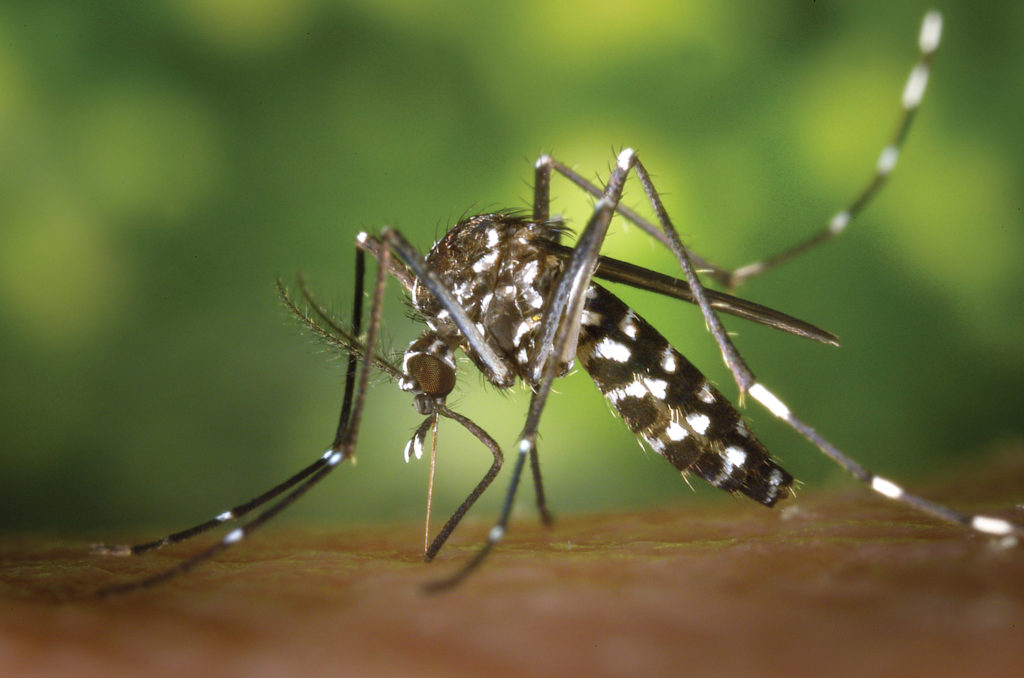
鈥淭he importance of One Health to society cannot be ignored, and the contributions of agricultural and natural resources research along with studies and advances in veterinary medicine are core to advancing environmental health for the benefit of all living things,鈥� says Hongwei Xin, dean of UT AgResearch.
UTOHI will consolidate resources from across the UT System to build on the history of leadership and engagement in One Health studies within the UT Institute of Agriculture (UTIA) and the University of 91短视频, Knoxville campus. Efforts to coordinate studies began in February 2019, attracting more than 50 interested faculty and scientists representing numerous departments and colleges. The group has been working since their initial meeting to develop a framework for the UTOHI.
The formation of the UTOHI formalizes the effort, says UT System Interim President Randy Boyd. 鈥淯T has officially engaged with its statewide resources of UT Knoxville, including the UT Institute of Agriculture (UTIA), Oak Ridge National Laboratory (ORNL), UT Health Science Center and others, to make significant contributions to the global One Health effort.鈥�
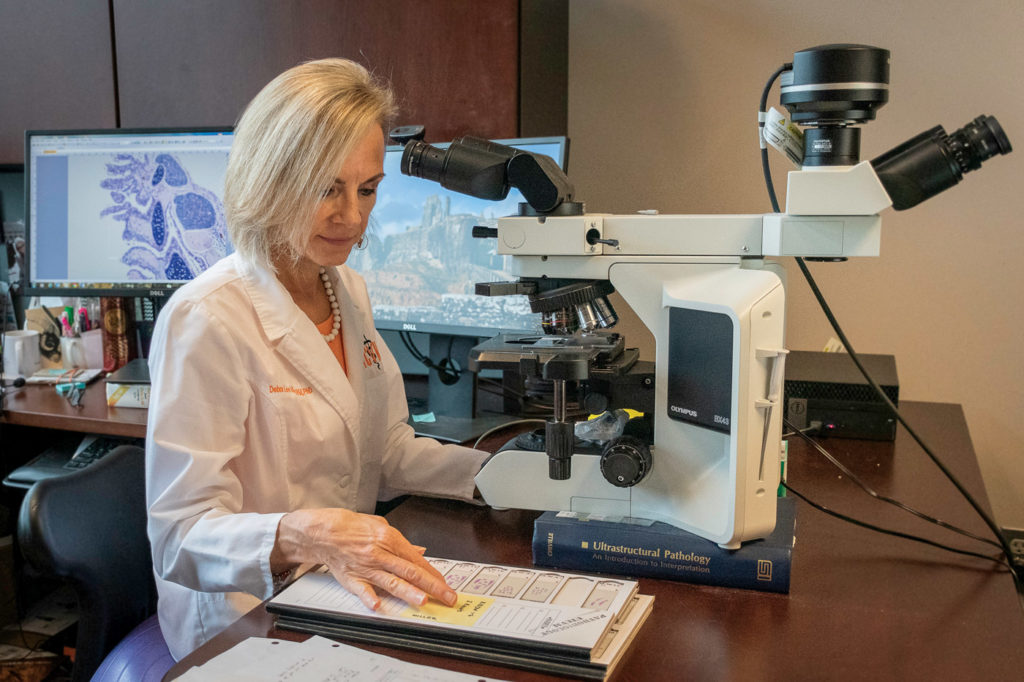
Photo by Kristy Keel-Blackmon
Debra Miller, a veterinarian specializing in wildlife pathology who holds a joint appointment in the UT College of Veterinary Medicine and the UTIA Department of Forestry, Wildlife and Fisheries, and who also serves as director of the UTIA Center for Wildlife Health, has been named as interim director of the UTOHI. 鈥淥ur vision is for the UT One Health Initiative to be a clearinghouse for transformational discoveries to improve animal, human, plant and environmental health,鈥� she says. 鈥淲e believe the initiative has the opportunity to be a global incubator for future generations of One Health experts across multiple disciplines and professions.鈥�
Nina Fefferman, professor in UT Knoxville鈥檚 Departments of Mathematics and Ecology and Evolutionary Biology, and one of the members of the organizing committee, agrees. 鈥淧eople from so many disciplines are coming together in ways that will help us better protect public health, agriculture, wild animal and plant life, and our environment. United through UTOHI, we will be able to contribute on every level from fundamental new scientific discoveries, to getting information into the hands of policy makers, and then to recommendations that individual farmers or families can use to keep themselves and their communities healthy.”
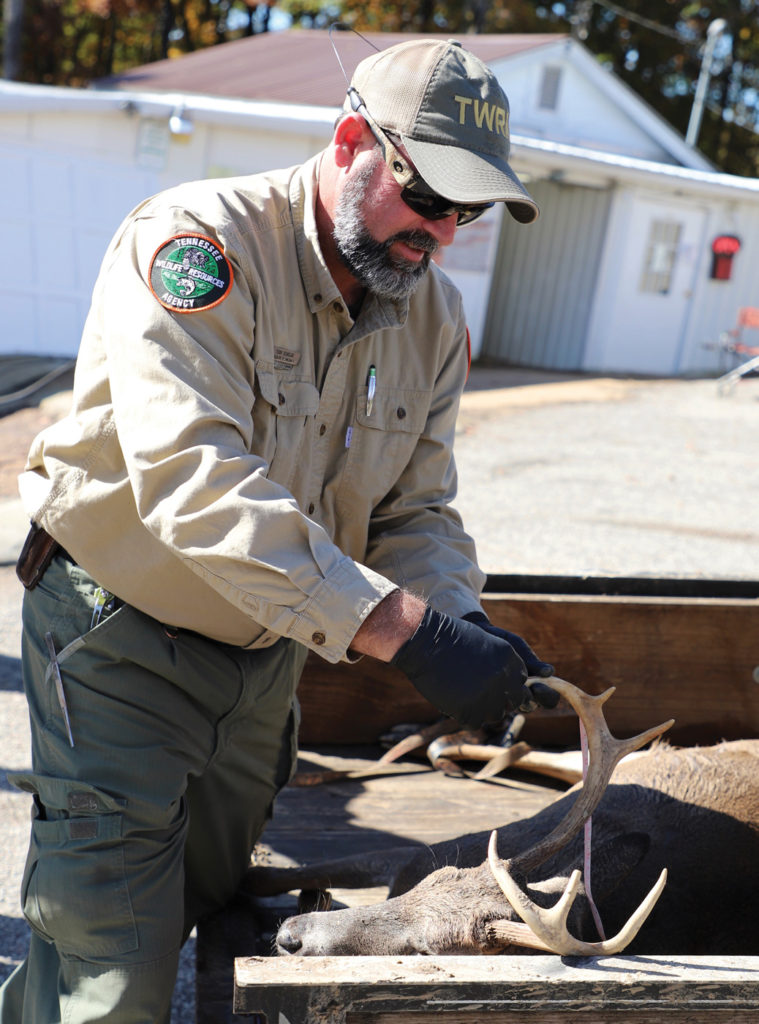
Photo by Amy Snider-Spencer, 91短视频 Wildlife Resource Agency
UTOHI is uniquely positioned to research One Health issues of concern to 91短视频鈥檚 human, animal and plant populations and to the state鈥檚 economy, including Chronic Wasting Disease (CWD) in the state鈥檚 deer populations; high pathogenic avian influenza (HPAI)鈥攁 2015 outbreak of which resulted in the death of tens of thousands of chickens in 91短视频 and approximately 50 million animals (with a $3-billion economic impact) nationwide; and Lyme disease and other tick-associated syndromes that are on the increase in 91短视频. Developing strategies to control plant diseases will also be a focus because of their implications for global food security.
An initial investment of $2.7 million is being jointly provided by multiple sources across the university system, including UT AgResearch, UT Office of the Vice President for Research, UT Knoxville Office of Research and Engagement, UT Knoxville Office of the Provost, the UT College of Veterinary Medicine and UT Extension. Also offering a financial investment is the UT-ORNL Joint Institute of Biological Sciences.
The UTOHI will draw from the expertise of faculty from across the system and ORNL with diverse backgrounds including agriculture and natural resources; ecology and evolutionary biology; engineering; computational sciences; nursing; social work; law; education, health and human sciences; business; libraries; and both human and veterinary medicine. The UTOHI is expected to create new strategic partnerships among academia, state and federal agencies, industries, non-government organizations and other stakeholders while delivering innovative solutions to amplify the health and well-being of humans, animals, plants and the environment in 91短视频 and beyond.
To learn more about the UTOHI, visit .